
Why Writers Should Watch “Heated Rivalry”
The hit show has been making a buzz since its pilot episode last year—and deservedly so.
Words Randolf Maala-Resueño
Photos courtesy of HBO Max and Crave
February 04, 2026
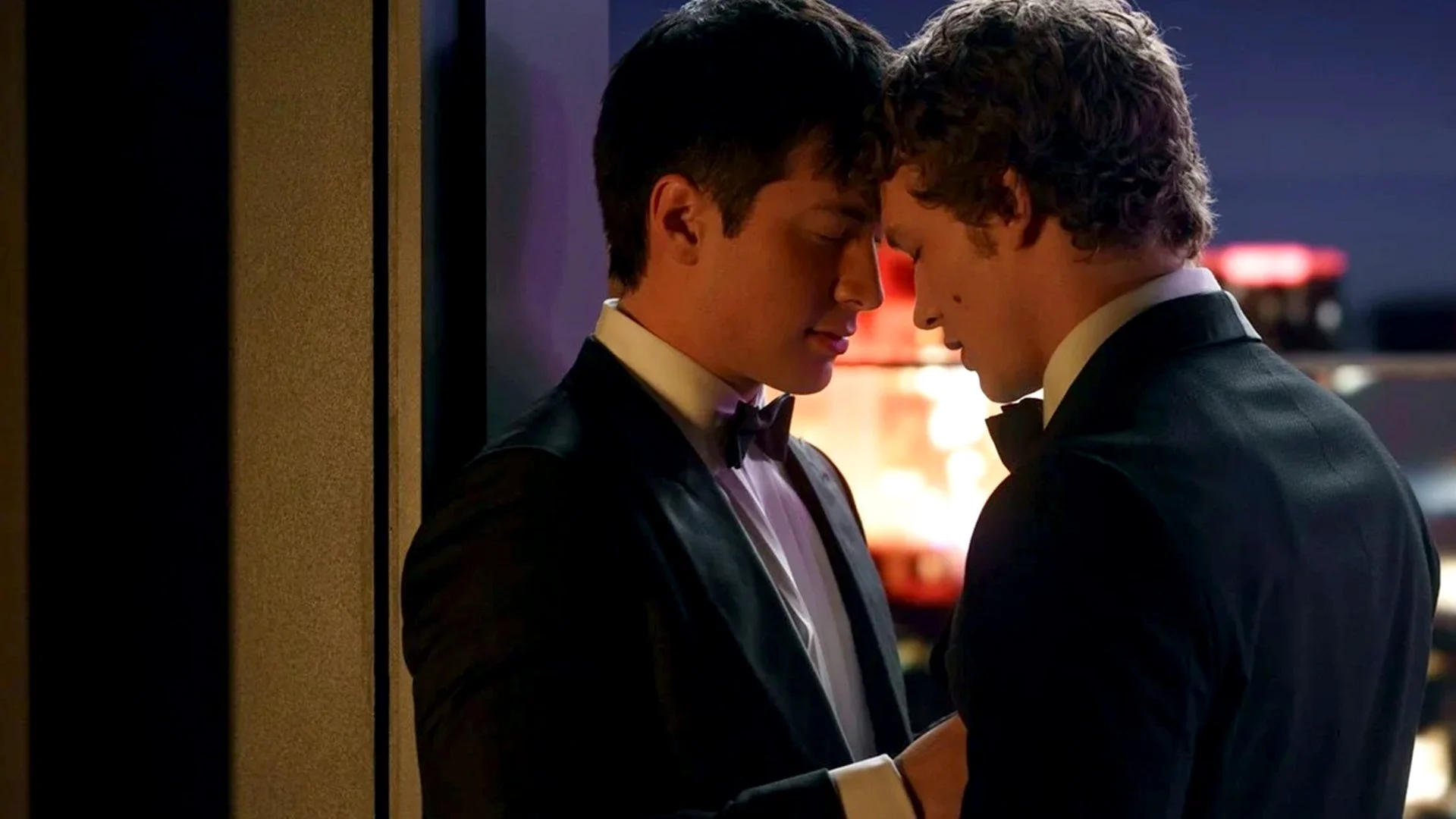
You may have already seen hockey romance edits on your FYP these past few weeks. Scenes snatched from acclaimed book series by Canadian author Rachel Reid, the snapshots may be from the hit show ‘Heated Rivalry’ on HBO Max and Crave.
For writers, these clips are not just fan bait. They are signals of a story that understands how tension, repetition, and intimacy work on the page and on screen.
The series follows fictional National Hockey League players Shane Hollander (Hudson Williams) and Ilya Rozanov (Connor Storrie) and their long-imbued rivalry and palpable dynamics on and off the ice.
Call it cliché, but the trope, rivals-to-lovers, remains an undisputed cheat code for romantic reads. As E.M. Forster once put it, “only connect.” ‘Heated Rivalry’ shows that connection is most electric when it is earned through friction.
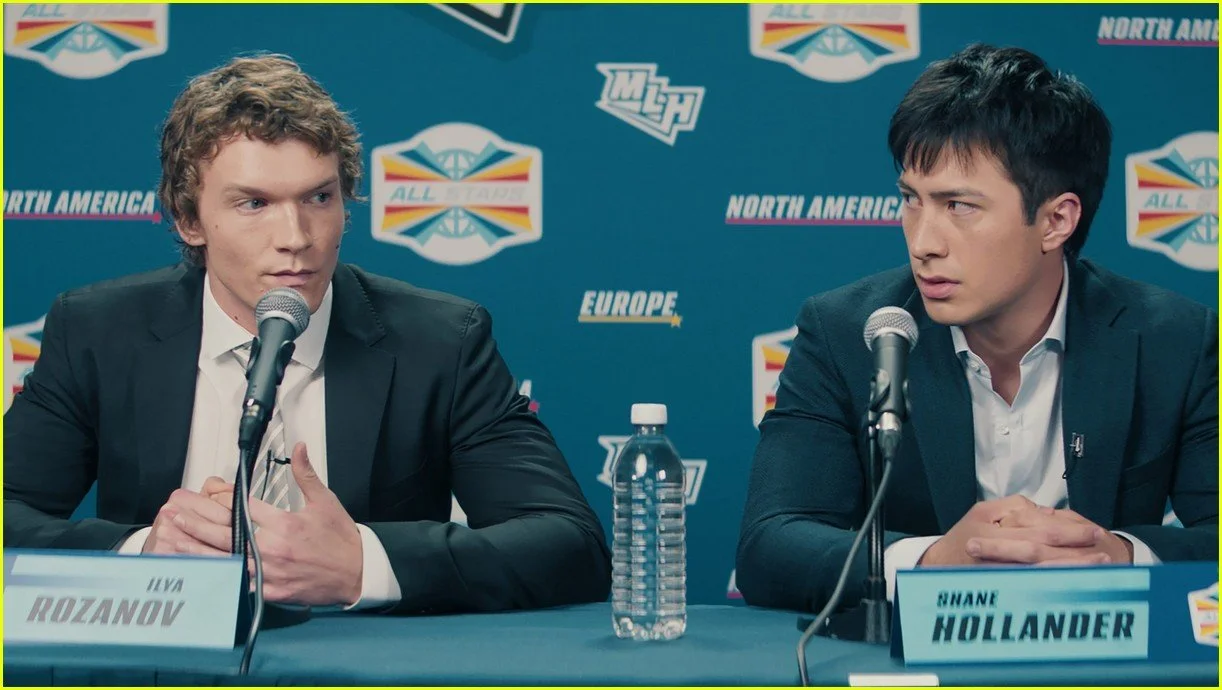
Though the series drew much-anticipated fan discourse due to the novels’ success, which the show has already covered two of, the novel-to-TV phenomenon refuses to dilute its queerness for mainstream palatability.
Instead, the story unravels queer manifestations through every longing interaction, positioning the show less as spectacle and more as a study in discipline, pressure, inheritance, and rivalry as survival mechanisms within elite sports culture. For writers, this is a reminder of what Toni Morrison insisted on: let meaning arrive through action, not instruction.
Major spoilers ahead! But here are some reasons its first season works, and why writers should pay attention.
Athletic Rigor as Emotional Language
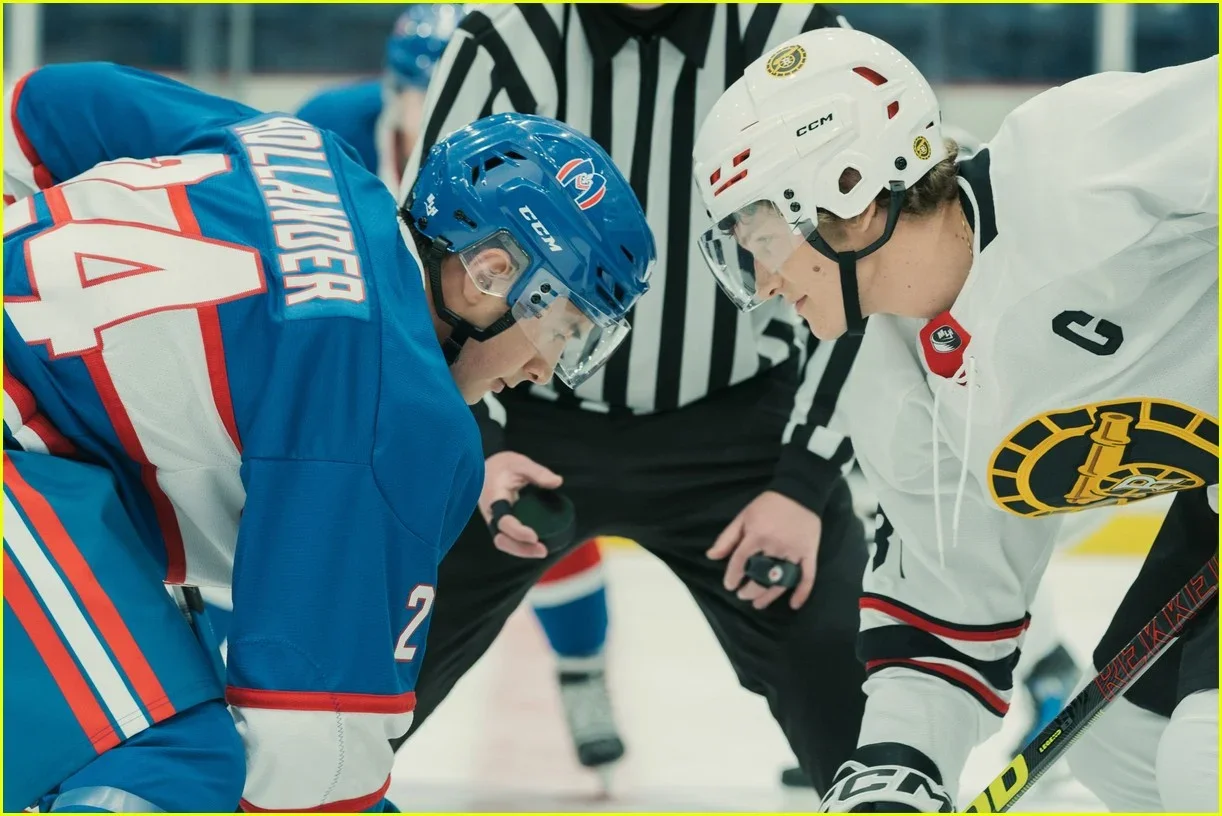
Training, repetition, and physical exhaustion become coping strategies rather than mere spectacle. This is where ‘Heated Rivalry’ quietly teaches writers how to let action carry interiority.
Show creator Jacob Tierney said that the show was not initially obvious as an adaptation because of its “level of smut,” but the combination of queer romance and hockey “is gay and hockey. That’s me.” Williams and Storrie have also pointed out that the sex scenes are not gratuitous but integral.
This approach echoes Ernest Hemingway’s iceberg theory. What matters is not what is explained, but what is felt beneath the surface. Combined with the evolution of their sensuality as the show progresses, athleticism becomes a playing field where desire, frustration, and self-control are negotiated through the body, turning sports-mandated discipline into narrative grammar.
Writing takeaway: Let physical routines stand in for emotional truth. Trust the reader to read between the lines.
Rivalry as Intimacy, Not Opposition
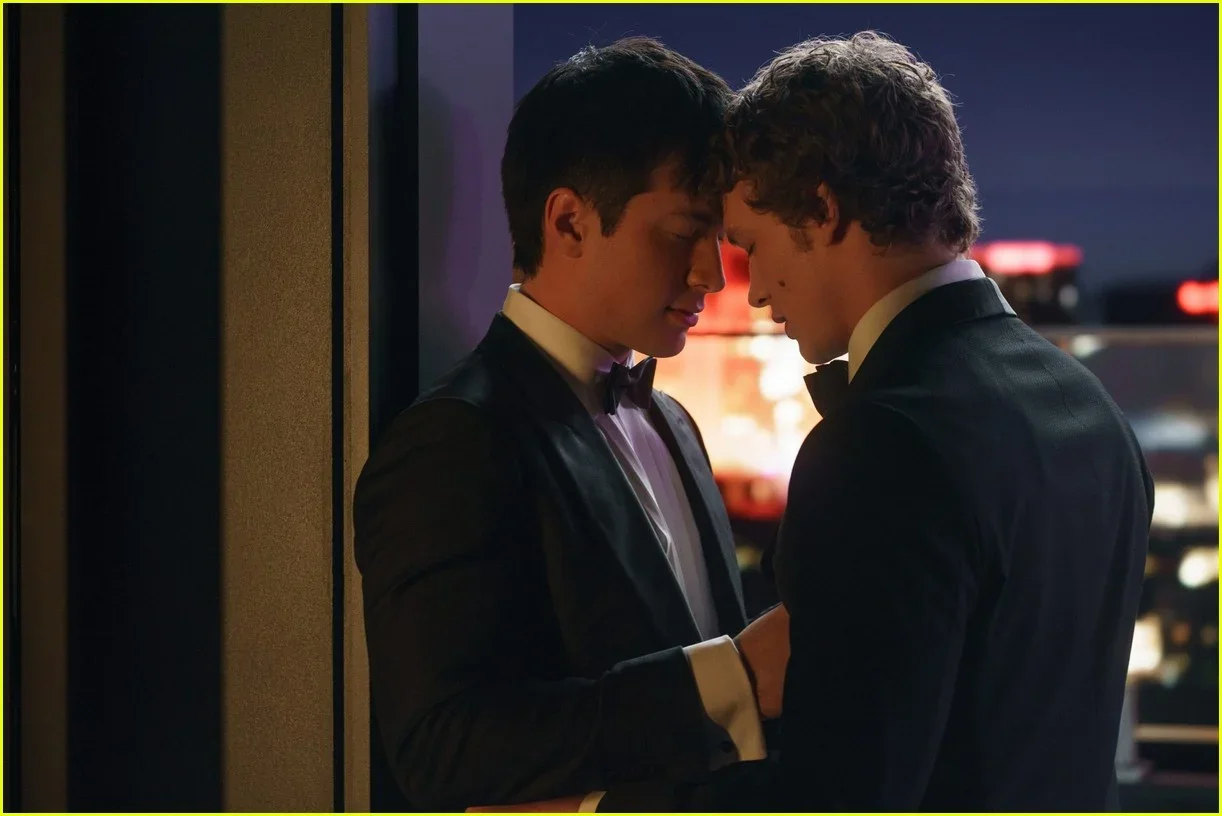
Rather than positioning rivalry as antagonism, ‘Heated Rivalry’ treats it as a recognition. Storrie and Williams have spoken about how their off-ice rapport and shared love language, especially physicality and touch, helped them deliver a believable transition from enemies to intimate partners, magnifying rivalry as a symbolic bond.
James Baldwin wrote that love takes off the masks we fear we cannot live without. In this series, rivalry is the mask. Competition becomes a means of connection, as proximity, obsession, and mutual awareness collapse the line between enemy and partner.
Writing takeaway: Conflict does not always push characters apart. Sometimes it is the most honest form of closeness.
Filial Expectation Without Sentimentality

Family pressure, spoken or implied, shapes ambition, silence, and self-denial. While not explicitly about family, Tierney expressed a broader commitment to emotional honesty in the adaptation, emphasizing that the show’s evolution was about watching the characters figure out that they are allowed to be in love.
This restraint recalls Joan Didion’s belief that what is omitted shapes a story as much as what is included. The series resists melodrama, presenting filial relationships as quiet forces that structure identity and decision-making, especially within masculine, success-driven environments.
Writing takeaway: Let inherited expectation function as an atmosphere. It does not need speeches to exert power.
Refusing to Exile Queerness from the Sports World
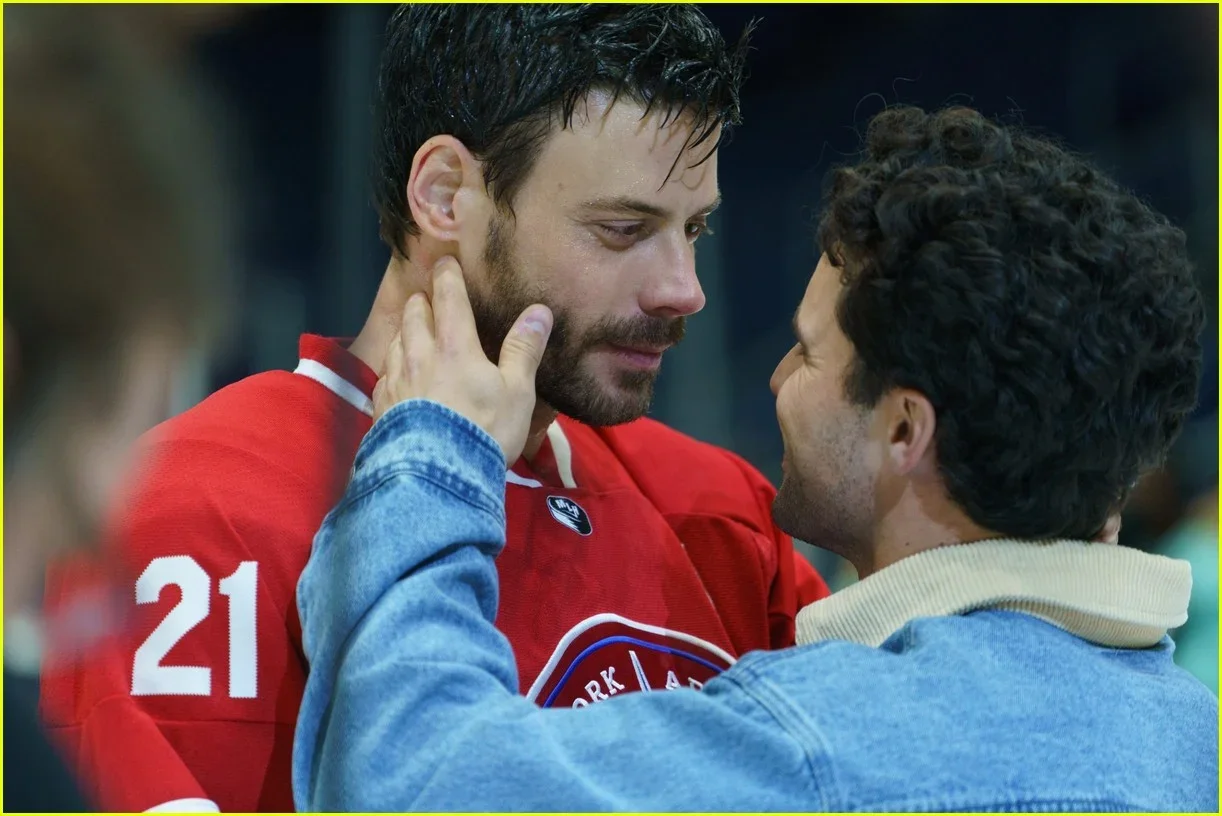
The show directly challenges the persistent taboo that queerness and elite athletics cannot coexist. More importantly, it demonstrates how setting can carry ideology.
By situating queer desire firmly within the rink, not outside or after it, the series insists that sports culture itself must expand. Ursula K. Le Guin once argued that the task of the writer is not to escape structures, but to imagine them differently. ‘Heated Rivalry’ does exactly that.
Writing takeaway: Do not move marginalized characters out of hostile spaces to make them safe. Rewrite the space itself.
Queer Visibility as Presence, Not Exception

Rather than framing its leads as anomalies, ‘Heated Rivalry’ normalizes queerness within systems of power, fame, and competition. Visibility here is not explanatory or apologetic. It simply exists.
Ocean Vuong has written that queerness is not a metaphor but a condition of being. Williams and Storrie’s offset camaraderie and playful gestures underscore that queer visibility on the show is not justification, but texture.
Even Reid suggests: Expect readers to find meaning you might not have consciously placed there. Let your work be open to interpretation and welcome the layers readers bring to it.
Writing takeaway: Stop explaining identity. Let it live in gesture, routine, and tone.
So, should writers watch it?

Frankly, absolutely.
‘Heated Rivalry’ understands what queer literature has long insisted upon: that love is shaped as much by constraint as by release, and that desire often learns to speak through discipline.
In the cold geometry of sport, the series finds what James Baldwin called “the evidence of things not seen,” a truth carried in repetition, restraint, and the courage to return again and again. Like Audre Lorde’s reminder that “we were never meant to survive,” the show does not treat queerness as fragile or provisional. It allows it to be forceful, bodily, and exacting.
In doing so, ‘Heated Rivalry’ joins a lineage of queer storytelling that refuses exile and insists instead on presence. Not outside the rink. Not after the game. But fully inside the structures that once denied it, where love endures precisely because it must work to exist.