Why Do Filipinos Keep Everything?
From the things kept inside Filipino homes to the jeepneys and tricycles that fill the streets, the country’s love for color, detail, and old things reveals a culture deeply shaped by memory, nostalgia, and the way we make things our own.
Words Mariz Shane Linsangan
Art by Tristan Talon
October 14, 2026
Art by Tristan Talon
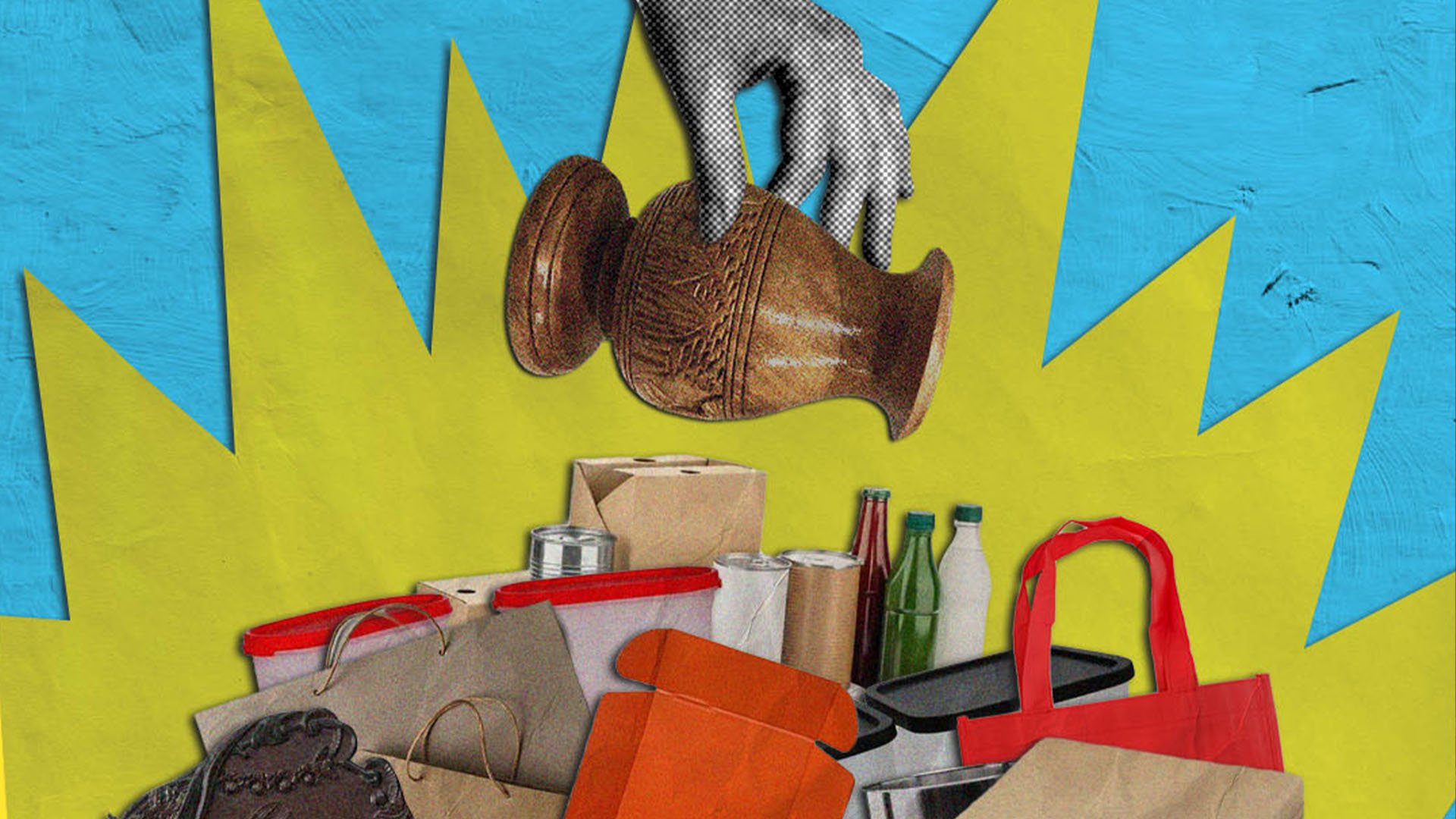
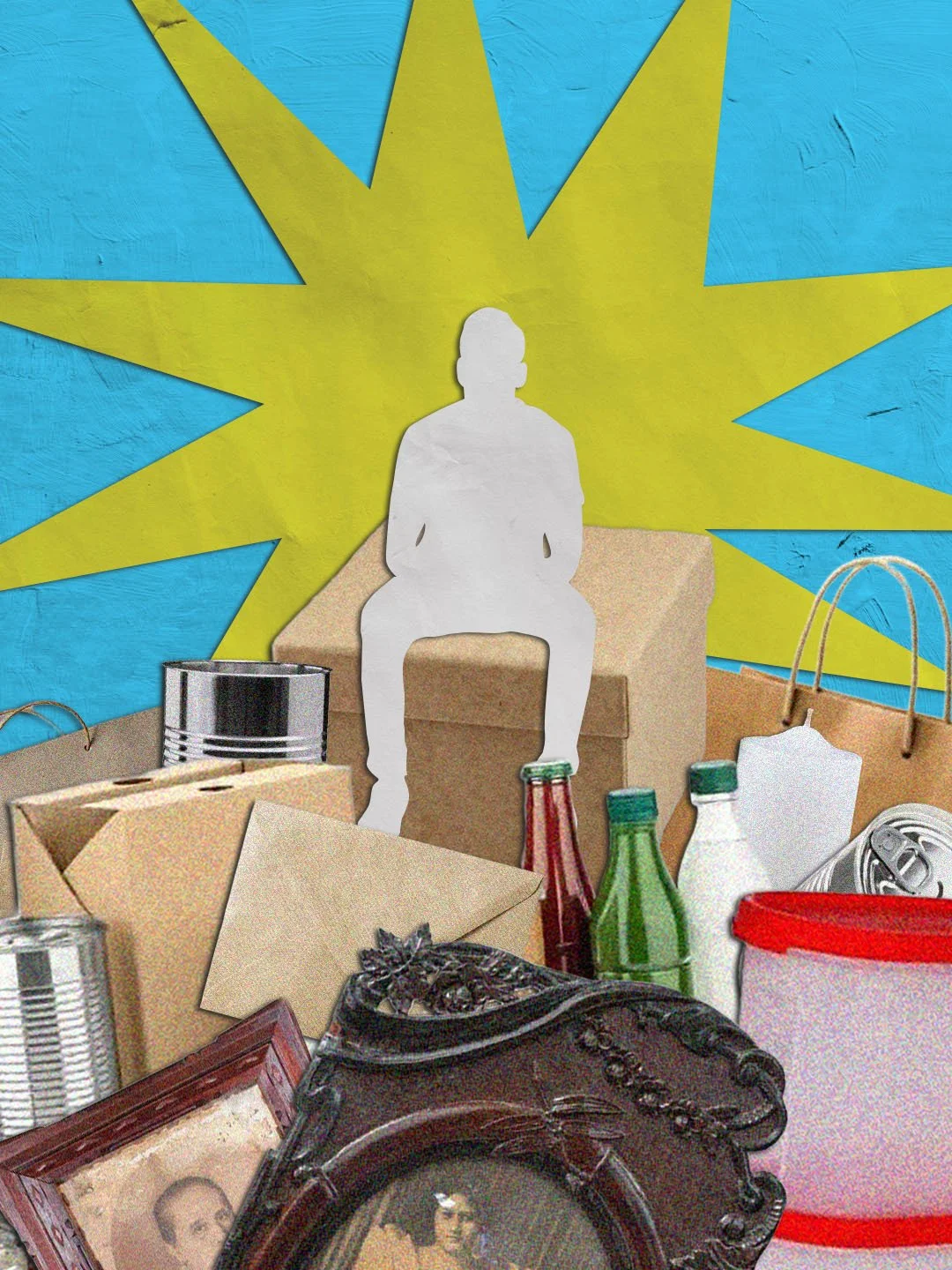
There is a certain kind of beauty in the way Filipinos keep things. It can be seen in homes where old calendars find new uses, glass jars are washed and saved, and plastic containers are carefully stacked up.
An old tin can can become a sewing kit, a flowerpot, or a place for loose change. Something that has already served its purpose can still be given another chance. There is a quiet resourcefulness in knowing that an object does not have to be new to be useful.
But not everything is kept because it might be useful again. Some things stay simply because they become familiar.
Keeping Becomes Remembering
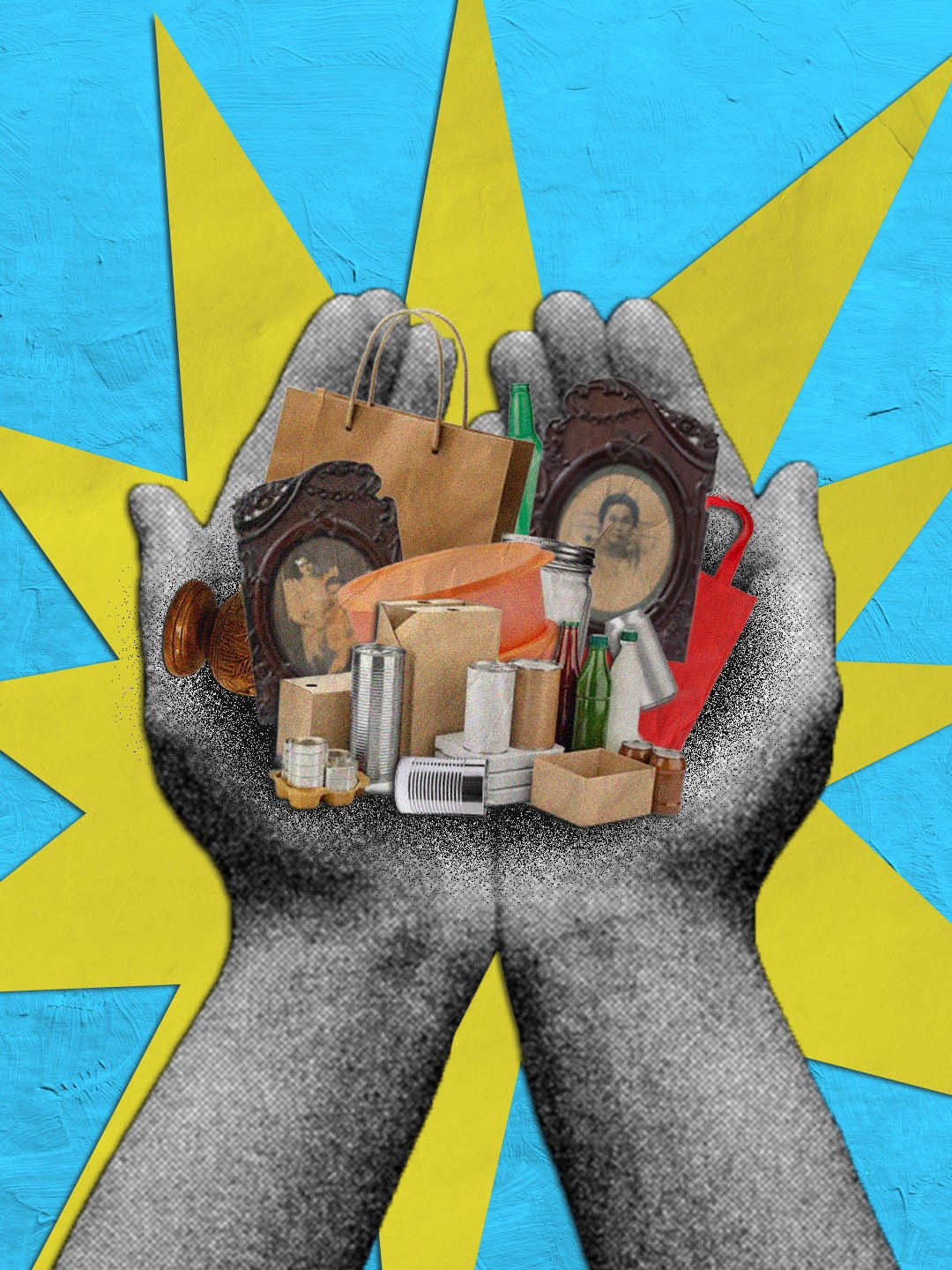
There’s this shirt from years ago that no longer fits, the souvenir nobody remembers buying, the old appliance that might still be repaired someday, and the box of photographs that only gets opened once in a while.
Art by Tristan Talon
Their practical value may fade, but their meaning didn’t. They stayed long enough to become part of a family's story. Call it hoarding, sentimentality, or simply being a maximalist, Filipinos have a complicated relationship with not letting things go.
This is also where Filipino nostalgia becomes something more than a fondness of the past. It becomes something that can be held.
An old chair can bring back the memory of a grandparent, a faded photograph can make an old house feel close again. A familiar candy wrapper or television commercial can return someone to childhood without needing to explain why.
The objects may be ordinary, but the memory attached to it is not. Objects collect stories as they move through time, and sometimes keeping them feels like keeping a small part of the life that came with them.
Making Things Our Own
That same relationship with things can be seen beyond the home, it can be seen on streets, especially in Filipino jeepneys and tricycles. A jeepney is rarely just a vehicle. It carries chrome, paint, religious images, stickers, names, phrases, ornaments, and details that make it unmistakably its own.
Tricycles have their own character too with colors and designs that reflect the driver’s hobbies, the neighborhood, or a personal sense of style. They are built to take people somewhere, but over time, they also become part of the places they pass through.
Their details are what make them memorable. A certain color can bring back a familiar route. A particular design can remind someone of a street they used to pass by every day. A jeepney or tricycle can become part of the visual memory of a neighborhood simply because it has been there for so long.
These are ordinary parts of everyday life, yet they become recognizable in ways that are difficult to replace.
A Different Kind of Beauty
There is something almost excessive about it and that may be exactly what makes it beautiful. Contemporary art and design have embraced minimalism, and there is nothing wrong with that. There is beauty in simplicity, restraint, clean lines, and empty spaces that allow only a few things to speak.
Art by Tristan Talon
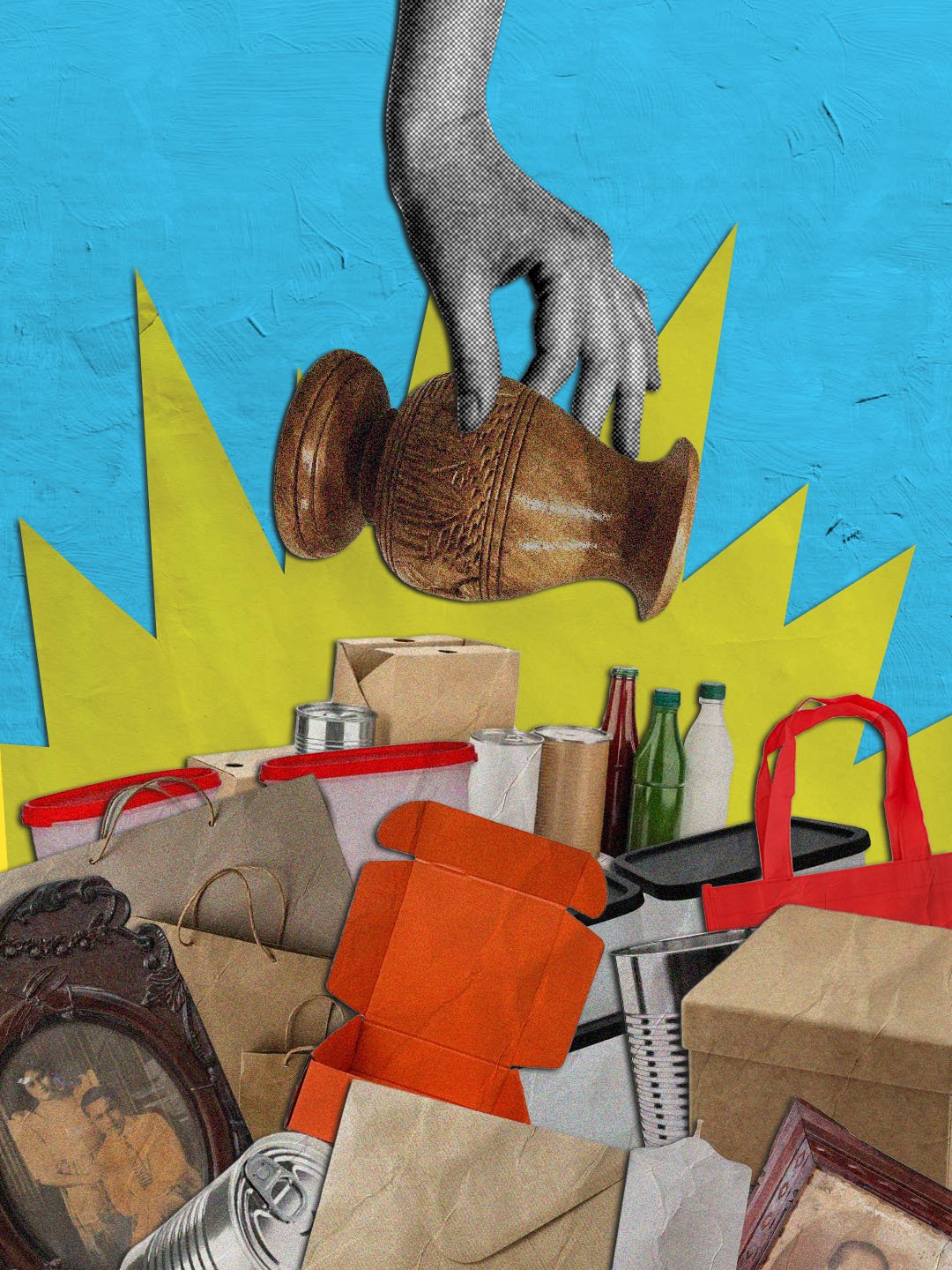
But Filipino visual culture carries its own visual language. It makes room for more color, more details, more stories occupying the same space, personality, and history. Even the way Filipinos dress, decorate their homes, prepare for celebrations can carry this instinct.
It does not always ask things to be stripped down before they can be considered beautiful. Instead, things are allowed to show where they have been.
But maximalism is not always about wanting more. Sometimes, it is about refusing to forget. The things surrounding us become small archives of where we came from, holding family histories, habits, memories, and identities that cannot always be explained in words.
What looks like clutter to one person may be a collection of stories to another. A crowded shelf can tell someone where a family has been. A decorated jeepney can reveal something about the person behind the wheel. An old object can hold a memory that would otherwise have nowhere to live.
A Filipino home can hold an old photograph beside a calendar, a figurine beside a newer decoration, or something inherited beside something bought only yesterday. The combination may not have been planned as a composition, but it carries a history that a perfectly arranged space cannot always replicate.
Each object has its own place in the life of the people around it.
More Than Having More
Perhaps this is what makes Filipino maximalism feel different. It is not simply about having more. It is about living with things long enough for them to mean something. An object can be reused, decorated, passed down, repaired, or simply kept.
Over time, it becomes less about what it was originally made for and more about the memories it has gathered along the way.
Of course, there’s a point when keeping becomes too much. Not everything needs to be saved, and not every object needs a permanent place in our lives. But perhaps the instinct itself deserves a little more understanding.
There is a reason people hesitate before throwing something away. Sometimes, it is not because the thing is still useful. It is because letting go of the object can feel strangely similar to letting go of the memory attached to it.
Keeping What Becomes Ours
That is also why Filipino nostalgia feels so physical. It is found in the things kept inside cabinets, displayed on shelves, tucked into drawers, and carried through streets. It exists in old photographs, familiar objects, decorated vehicles, and even the things that have stayed in the same corner of a house for years.
Art by Tristan Talon
They become small records of everyday life without ever intending to be.
Not everything needs to be kept forever. Some things will eventually be given away, replaced, repaired, or left behind. But the things that remain can become part of something larger than themselves. They become familiar enough to be remembered, and memorable enough to become part of a place.
Perhaps that is why these ordinary things matter. A jar, a photograph, a faded decoration, a jeepney, a tricycle—none of them alone can define Filipino culture. But together, they tell a story of the people who find beauty in what is familiar, who give old things new life, and who carry pieces of the past into the present.
Filipino maximalism is not simply a love for having more. It is a way of leaving traces. The colors, objects, decorations, and things kept over the years slowly become part of the landscape of everyday life.
They become familiar faces in the places people called home, until what was once simply an object becomes something remembered, something loved, and eventually, something that feels like part of us.
And perhaps that is the most beautiful thing about the Filipino culture of keeping everything: somewhere between memory and everyday life, these things become part of what it means to be Filipino.