Meet Nouel Catis
The Filipino chef who turned Dubai Chocolate into a global sensation.
Words Jaymar Aquino
Photos courtesy of Nouel Catis
January 13, 2026
Who hasn’t seen it? A chocolate bar so decadent, it seems to melt through social feeds across continents. Emerald pistachios spilling from its core, golden threads of kunafah woven like jewelry into its folds—Dubai Chocolate is less a dessert and more a spectacle.
By the time TikTok had pushed it to more than 80 million views, cafés across the globe were running out of pistachios, and reports of shortages swept through the global supply chain. Even luxury retailers scrambled to replicate it, some calling it the “Birkin bag” of confections.
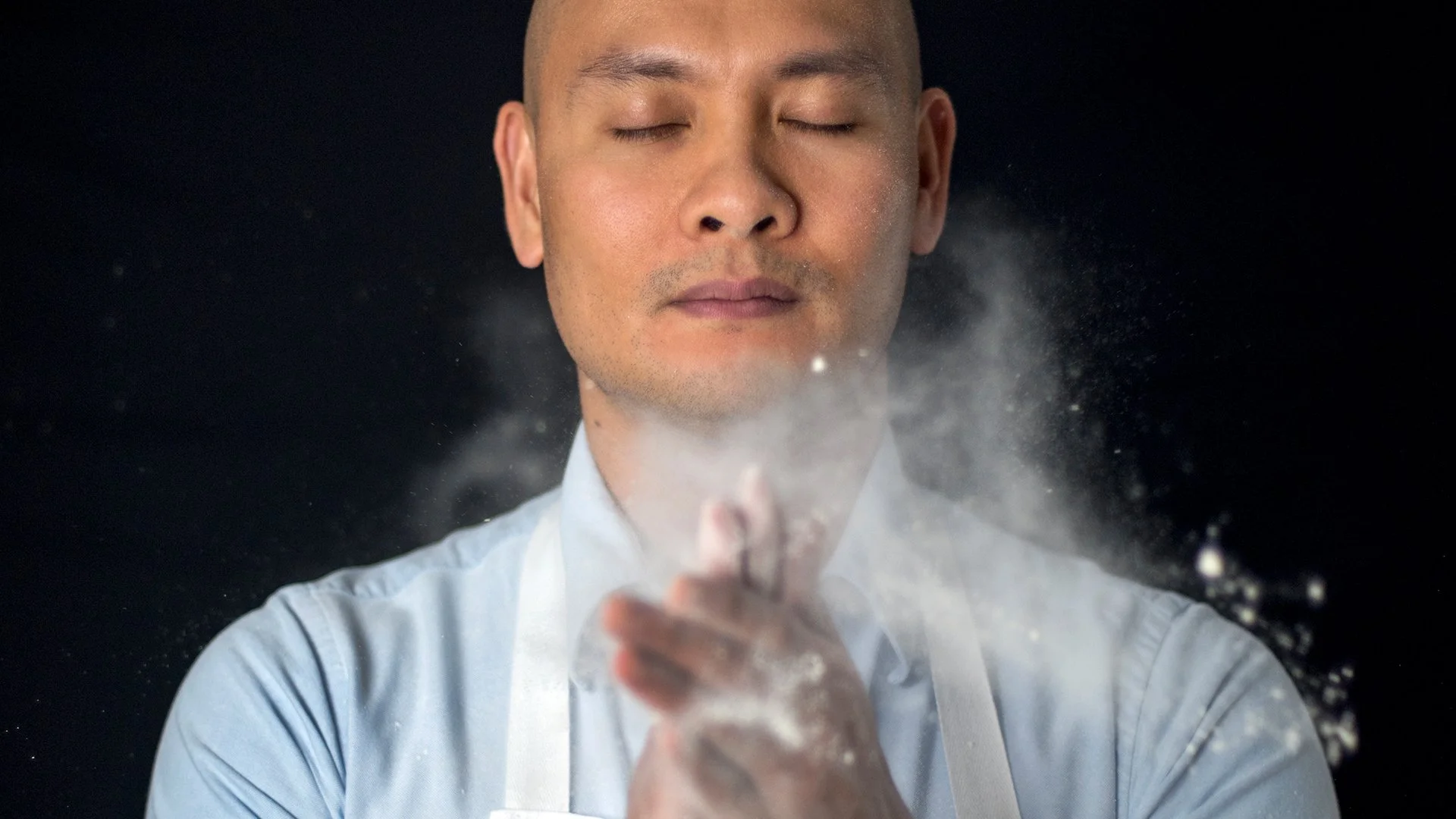
But in case you don’t know, behind the virality, behind the tempting pistachio crunch and glossy chocolate shell, is a Filipino chef who has spent nearly two decades in Dubai kitchens. His name is Nouel Catis. And if you ask him, the bar is not just about taste—it’s about heritage.
A slice of his story
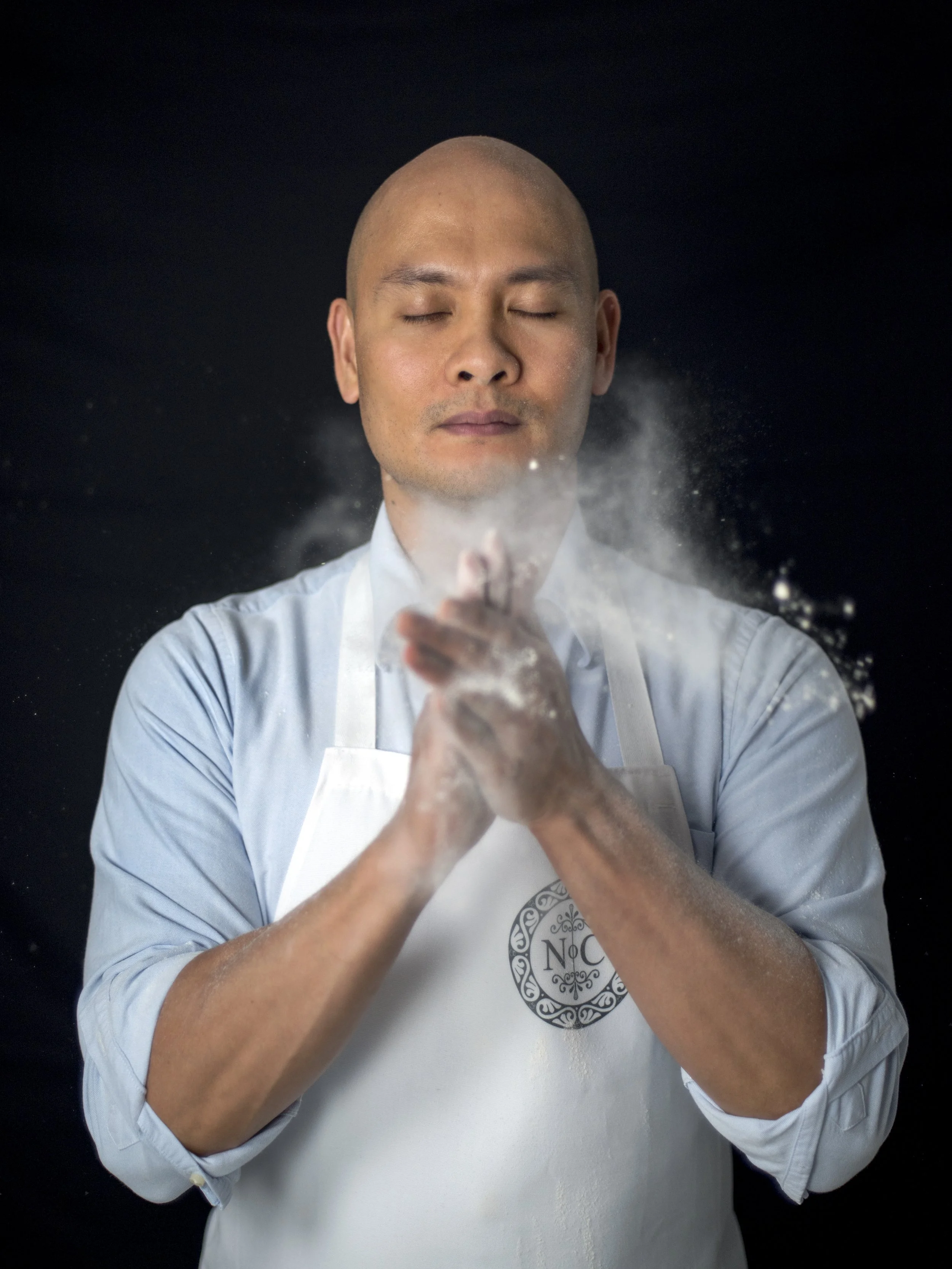
Securing time with the Filipino dessert specialist feels as elusive as finding an unopened box of his chocolate on store shelves. He lives in perpetual transit—kitchens, boardrooms, airports. So when asked for an interview, the responses came not from an office desk, but from a departure lounge, composed in the lull before takeoff.
“Seated in the airport lounge waiting for my boarding call, I have put together my answers,” he wrote, almost apologetically. Then, with characteristic generosity, he shared his thoughts.
That brief message, humble and unembellished, may be the clearest window into who Nouel Catis is: a man whose time is a luxury, yet who gives it anyway, piecing together answers mid-journey—always moving, but never too far to offer something of himself.
Taste of home
Before the headlines and hashtags, the now Dubai-based pastry chef was simply a boy with ambitious dreams in Dipolog City, Philippines—his childhood steeped in the scent of yeast and sugar. His mother ran a bakery where food was not just sustenance, but a language of community. Life, he recalls, was simple yet instructive.
“I grew up in my mom’s bakery, surrounded by food and community,” he says. “What pushed me to leave was the hunger to grow and test myself in places far bigger than my hometown. I’ve always loved traveling and being in new places to experience new things.”
That hunger, much like the yeast in his mother’s dough, propelled him outward: to Manila, to the French Culinary Institute in New York, and eventually, to the Middle East.
New kitchens, new battles
Arriving in Dubai was no gentle baptism. The city’s kitchens, gleaming and relentless, required more than technical mastery. They demanded stamina through long hours of work, sharp instincts under pressure, and the grit to show up every single day.
“It was tough: new culture, new kitchens, and I had to prove myself every day,” he recalls. “But those challenges shaped me and built the discipline I carry now.”
That quiet strength became his silent ingredient, woven into every plated dessert he serves. If kunafah is, as he describes, the Middle East’s version of cheesecake, then his resolve was the filo—layered, almost imperceptible, yet flexible enough to hold the weight of rich flavors and delicate textures without breaking.
The making of Dubai Chocolate
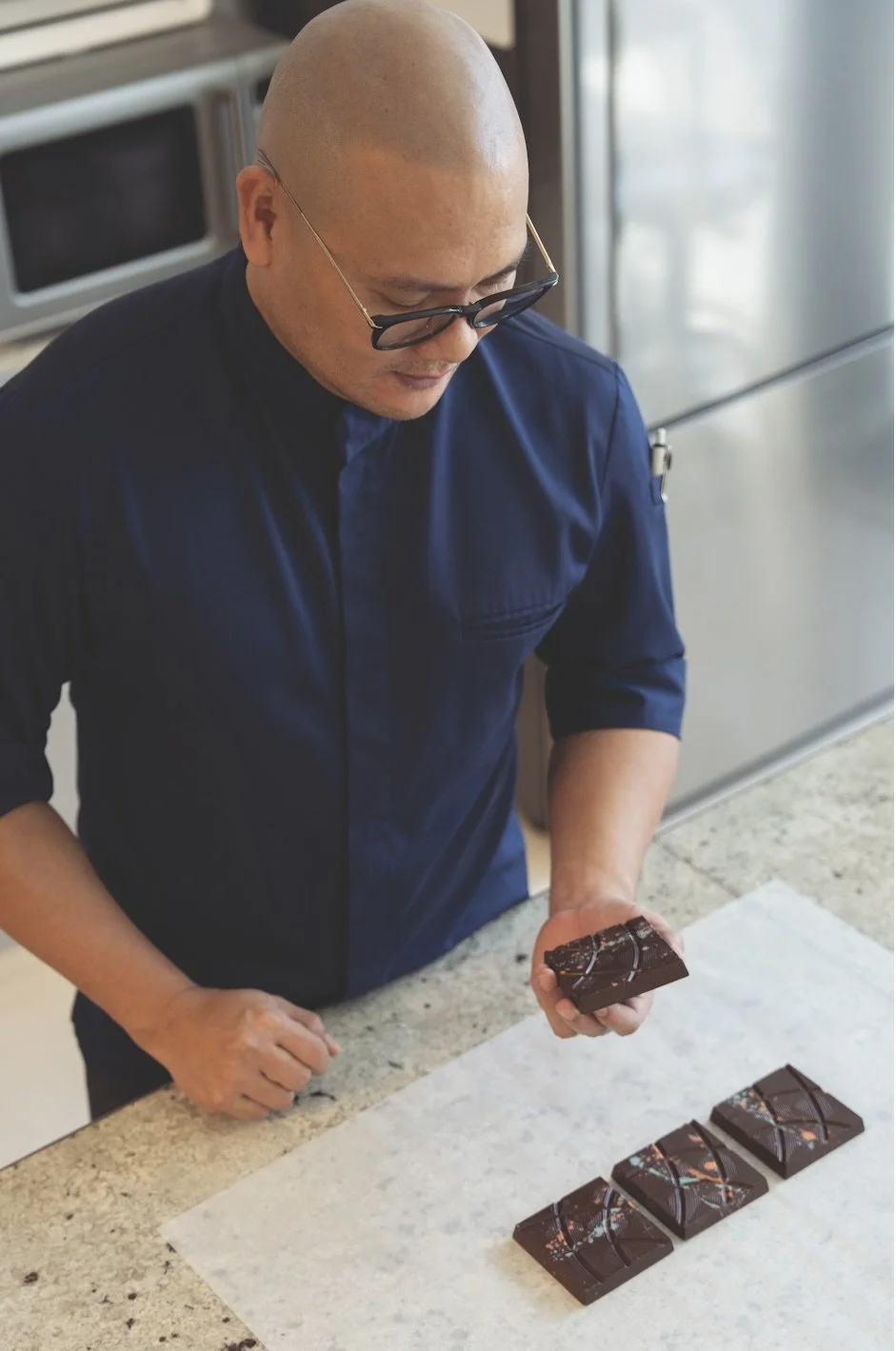
By 2021, the stars seemed to align. Dubai was pulsing with a new culinary energy, tourists and locals alike craving flavors that felt both familiar and surprising. A British-Egyptian entrepreneur approached him with a vision: a chocolate bar that would capture the essence of the city—its roots, extravagance, and audacious spirit. To most, it might have seemed a novelty. To Catis, it was destiny.
“It wasn’t just a recipe but was born out of timing, culture, and a desire to make something that truly represented Dubai,” he explains. And so he began, layer by layer, like a life rebuilt in sugar and pistachio. Early batches were handmade, 25 pieces a day, each requiring up to eight hours. They were not just confections but compositions, and as soon as the first videos of his sweet creation surfaced online, the internet crowned them royal.
The result was a tempting treat that seemed to encapsulate a city: indulgent, intricate, impossible to ignore. And in its mirrored glaze was Nouel Catis’s own reflection—a Filipino who had embedded himself so deeply in Dubai’s culinary fabric that he had, in a sense, sweetened the city’s identity for the world.
Beyond virality
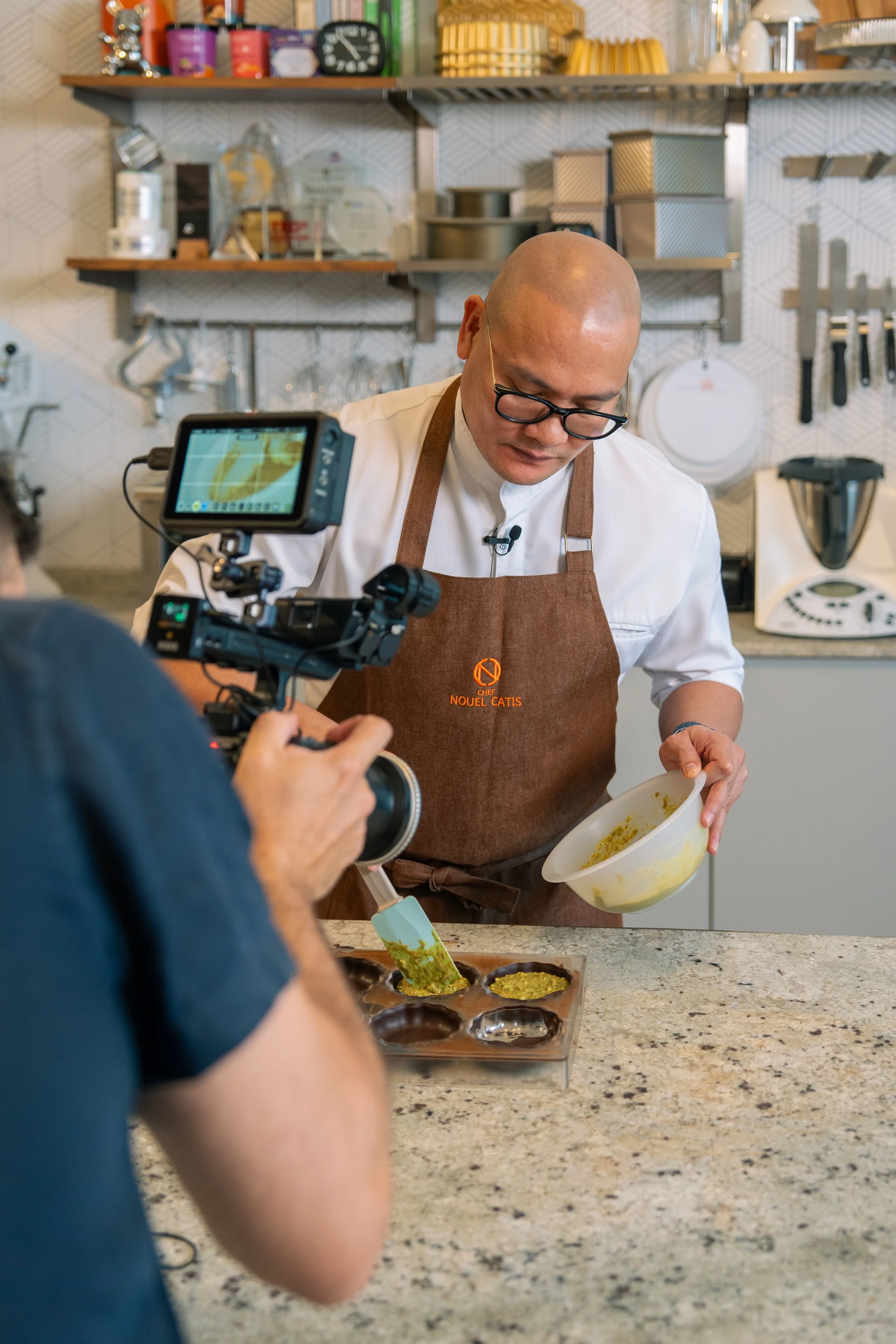
Yet for the patissier, true accomplishment isn’t about making the rounds online.
“Honestly, it’s not the viral moments. It’s when I see someone’s face light up from tasting something I made. That joy is priceless,” he says.
It was this belief in his own vision that propelled him into the intense glare of television. On Shark Tank Dubai, he found himself facing investors poised to claim the heart of his brand. On camera, he appeared to yield, consenting to a staggering 51% stake—an agreement that would have shifted control from his hands. Yet behind the studio lights, in the stretch of months that followed, he reflected, recalibrated, and ultimately walked away, reclaiming authority over his creations and the destiny he had meticulously crafted.
“I followed my gut. I knew my worth and my vision. Sometimes walking away is the bolder move than saying yes,” he explains.
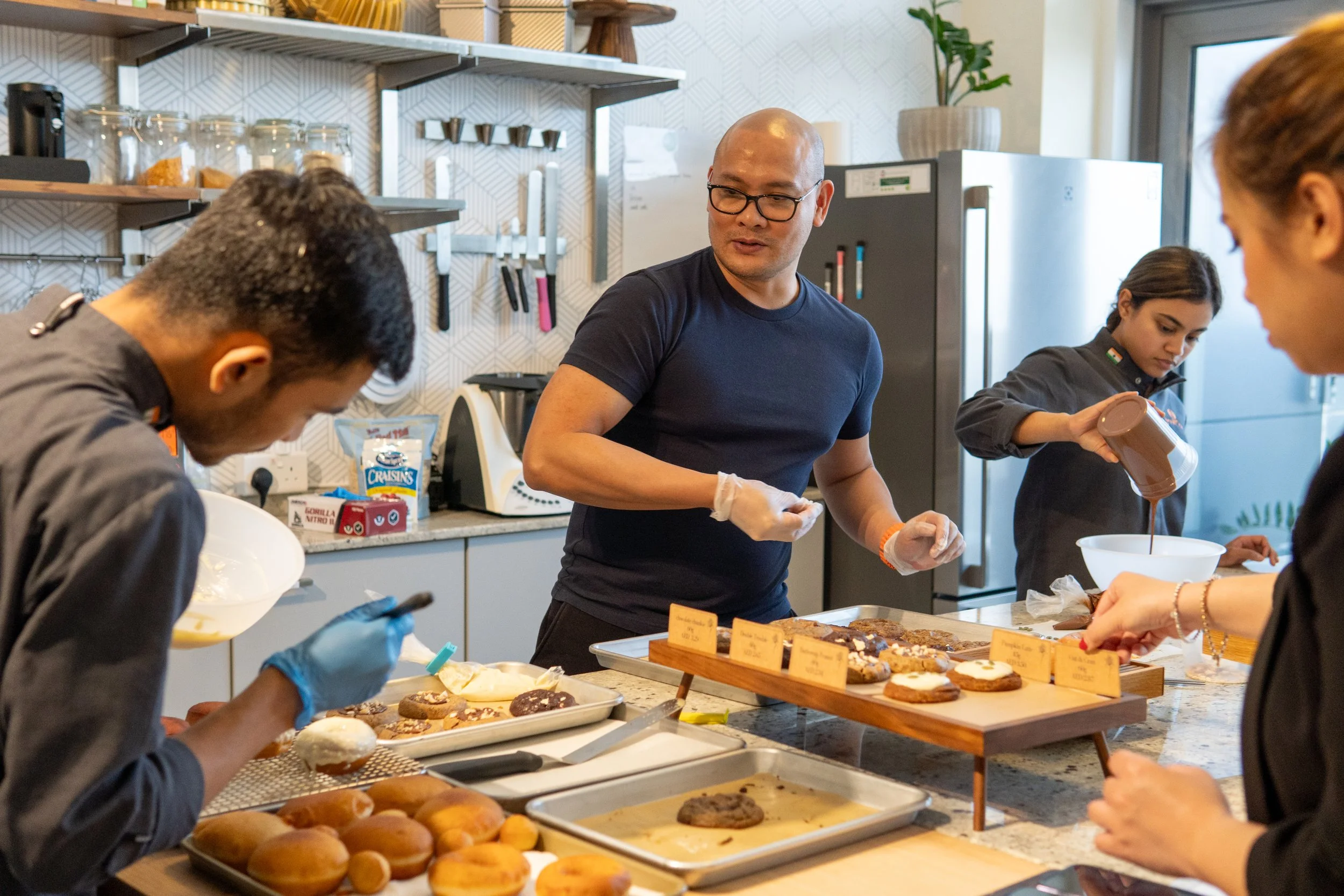
That decision, as daring as it was, echoed the very philosophy of his chocolate: bold layers, unexpected choices, and the refusal to dilute flavor.
Flavors that endure
Catis knows the fickleness of the food world, how trends rise and crumble like sugar shards. But he insists his compass is elsewhere. “I focus on my story and values—heritage, innovation, inclusivity,” he says. “Trends come and go, but if you stay rooted, adapting becomes natural.”
These values are evident in his growing ventures. His company, Sna’ap, launched in 2024 with chocolate bars that sold out in days. His collaborations in Manila reconnected him with his homeland, while new creations in Oman infused chocolate with frankincense and coconut. Each project tethered to culture, each bite telling a story.
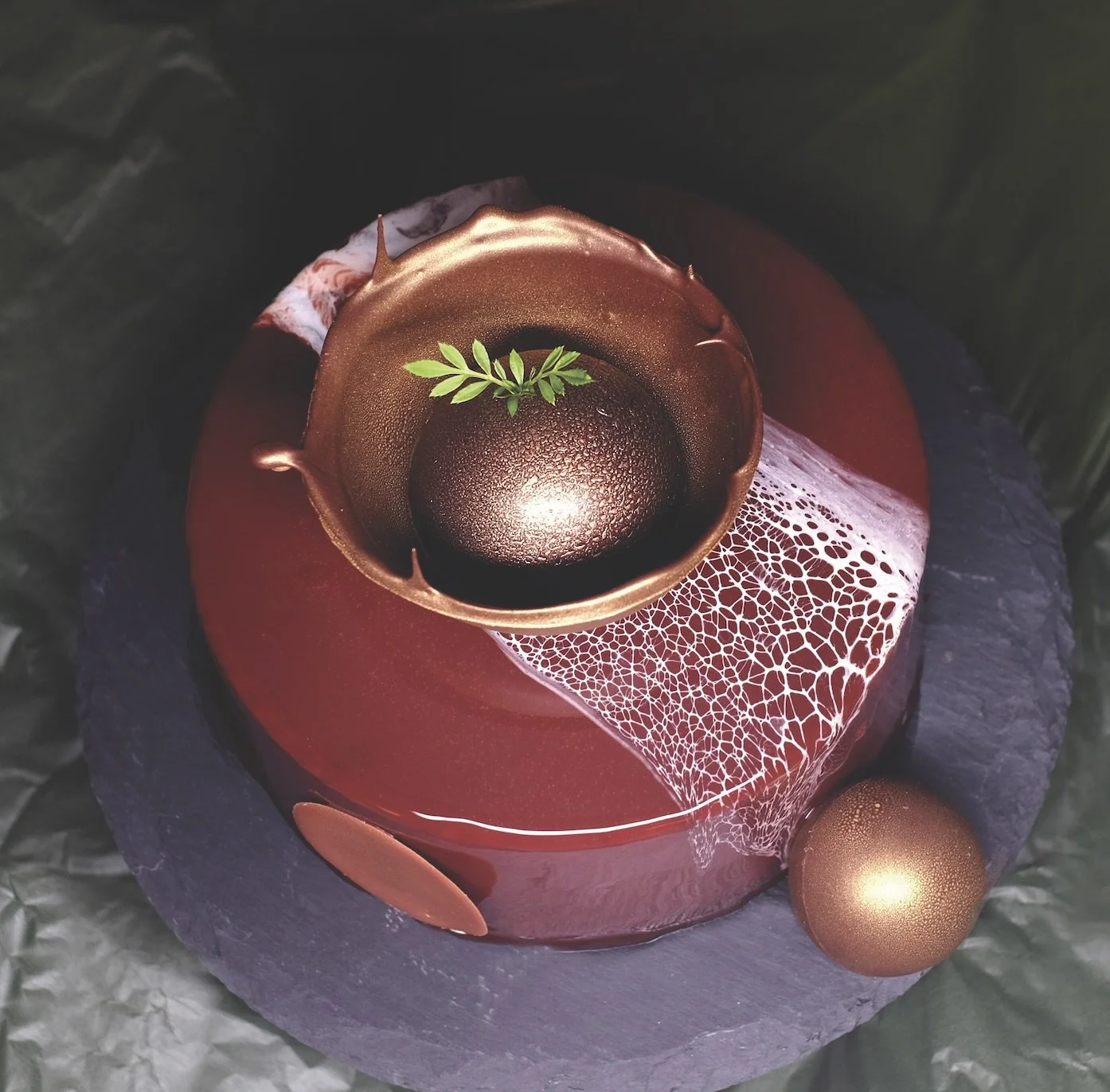
For a chef who has already conquered virality, the horizon is still wide.
“I want to expand globally while keeping my creations connected to culture,” he says. “And yes, I still dream of writing more books and creating experiences that outlast me.”
In a world where attention spans are as fleeting as Instagram stories, the Filipino pastry chef dreams not of the moment, but of enduring.
A legacy in layers
Perhaps the essence of Nouel Catis is this: a man who has felt the weight of proving himself, who has tasted both the bitterness of setbacks and the sweetness of recognition, and who continues to craft desserts as a testament to where he has been and where he is going.
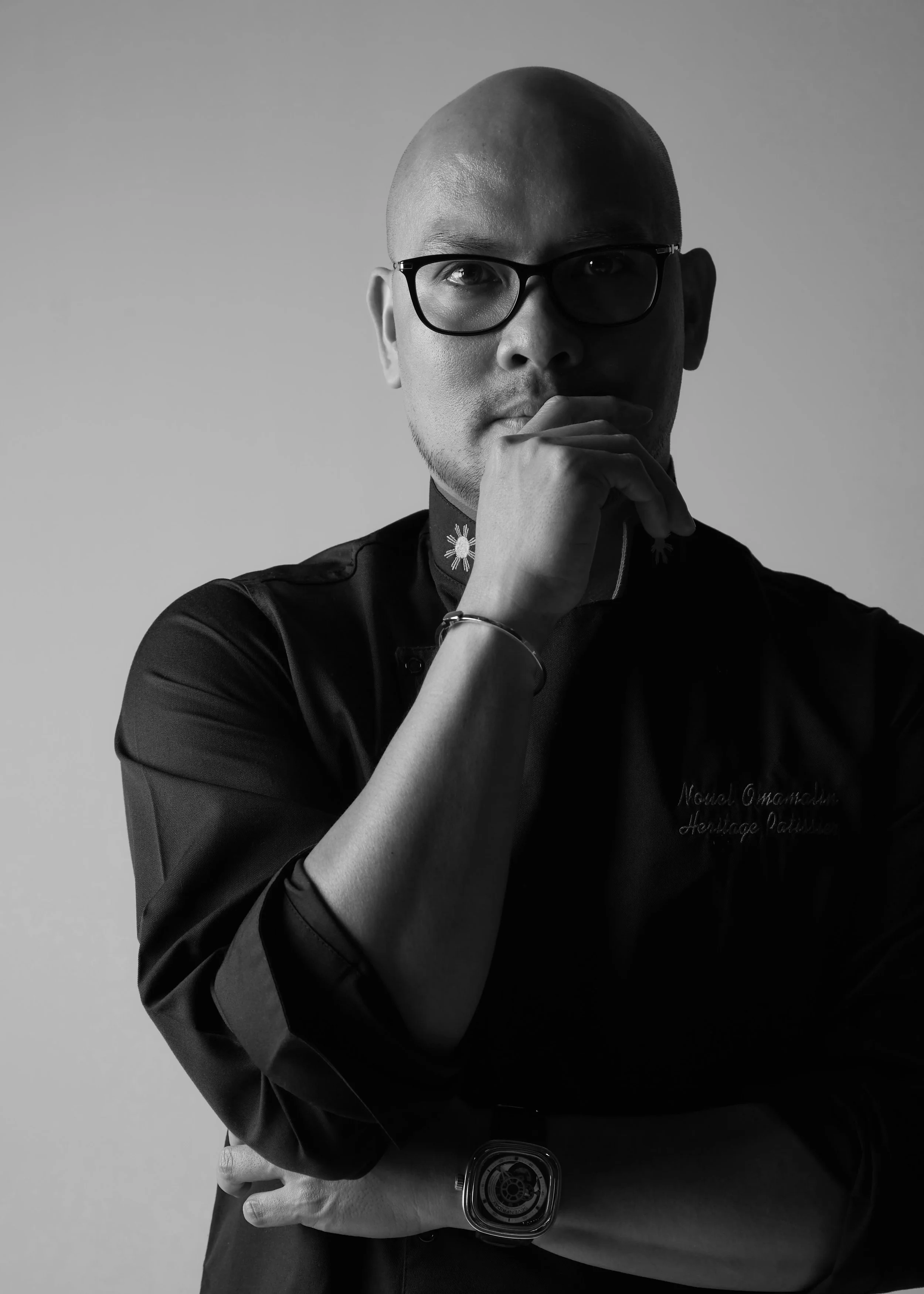
His advice to those chasing dreams is simple, yet resonant: “Don’t wait for the perfect time, start with what you have. Consistency and belief in your own story will take you further than you think.”
Like the chocolate bar that made his name, Nouel Catis’s story is richer beneath the surface. His journey shows us that heritage, wherever it comes from, can be woven into innovation; that discipline can soften into generosity; and that even the hardest shells conceal sweetness worth discovering. Perhaps his true legacy is this: reminding us that the finest flavors are not found in polished perfection, but in the hidden layers revealed when we dare to break them open.